The 1967 Lamborghini Miura P400: The Original Supercar
 Alright, gearheads and car enthusiasts, gather around. It's time to pay tribute to an icon, a legend in its own right—the 1967 Lamborghini Miura P400, widely regarded as the world's first supercar.
If you've never heard of it, then sit back, relax, and let me transport you back to a time when cars were more than just transportation. They were a lifestyle, a statement, a piece of art on wheels.
Today, with a price tag often exceeding $1 million at auctions, this review highlights the integral aspects that contribute to the timeless allure of this automotive marvel.
Design
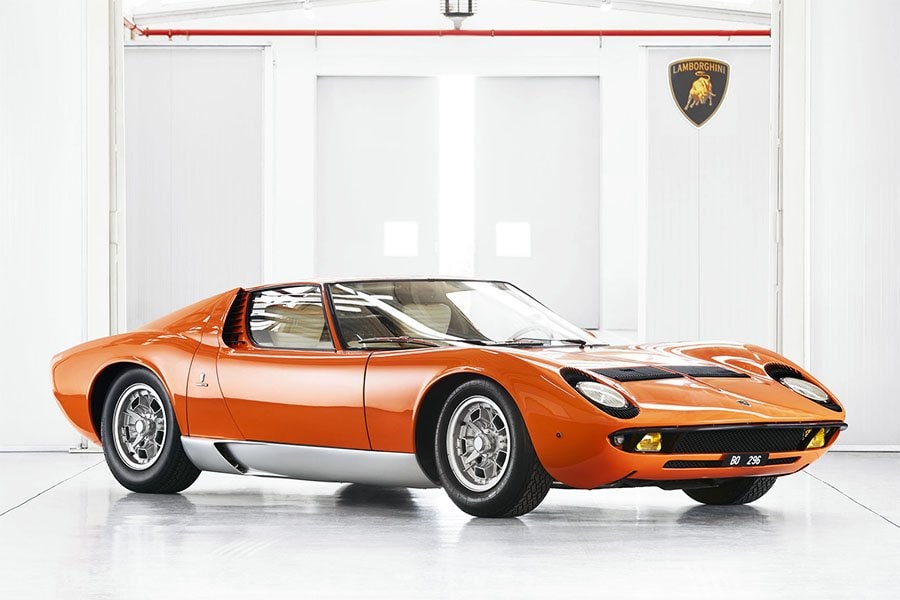
This Lamborghini was a game-changer back in the day, rocking the auto world with its stunningly beautiful, yet aggressive looks.
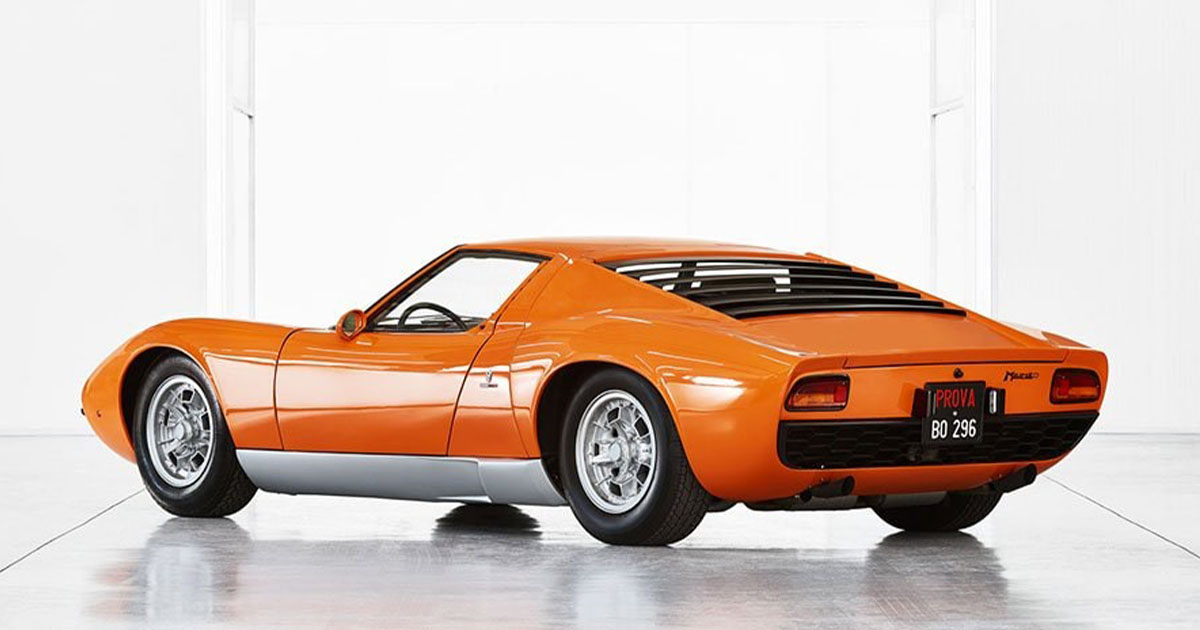
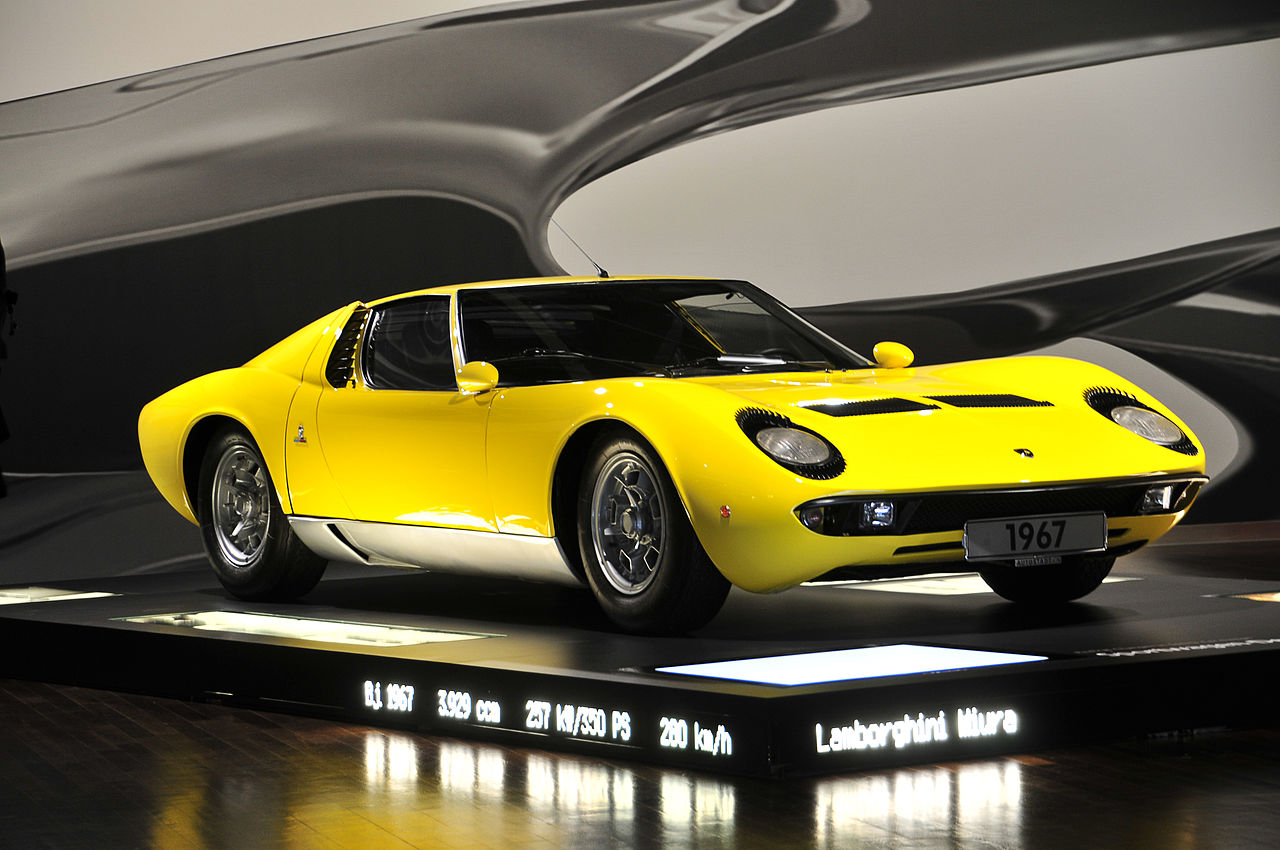
The exterior of the 1967 Lamborghini Miura P400 is a pure embodiment of the golden age of supercars, boasting a design that remains timeless and iconic even today.
Its body, created by the genius of Marcello Gandini at Bertone, is characterized by a low and sleek profile.
At the front, the car sports a pair of retractable headlamps, hidden away when not in use, enhancing the car's streamlined aesthetics and aerodynamic properties.
A distinguishing feature of the Miura P400 is the pair of slatted "eyebrows" over the lights, which add a layer of mystique and charm to the vehicle.
It was almost as if a jet fighter and a supermodel had a baby, and out came the Miura. Sleek and stylish with curves in all the right places, it turned heads and still does to this day.
Engine and Performance
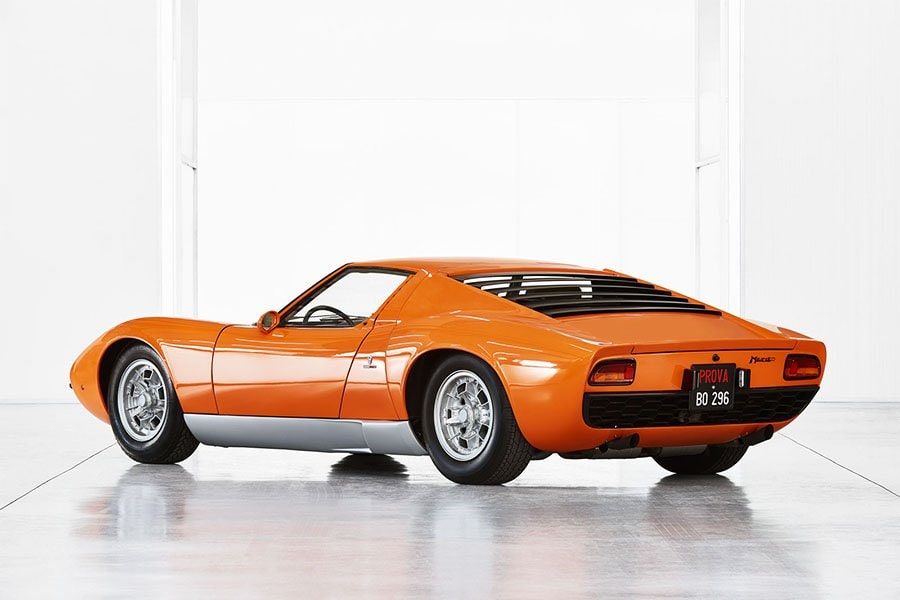
Nestled behind the driver, in the true spirit of a supercar, sits a 3.9L V12 engine.
It punches out a hearty 350 horsepower, which back in '67 was a seriously big deal. The top speed is approximately 171 mph (275 km/h).
And when you rev that engine, it's not just a sound, it's a symphony—an orchestra of raw power and refined engineering that'll give you goosebumps every single time.
Interior
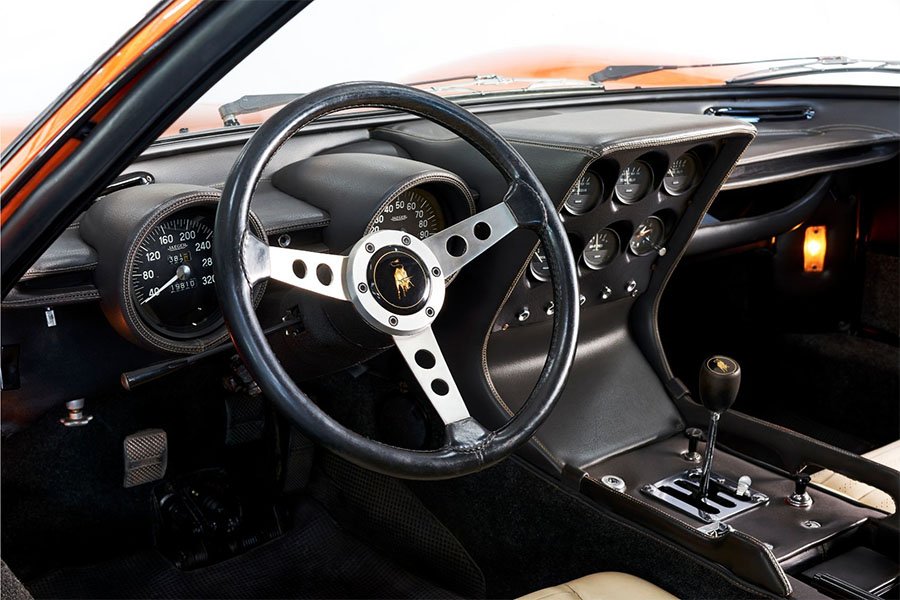
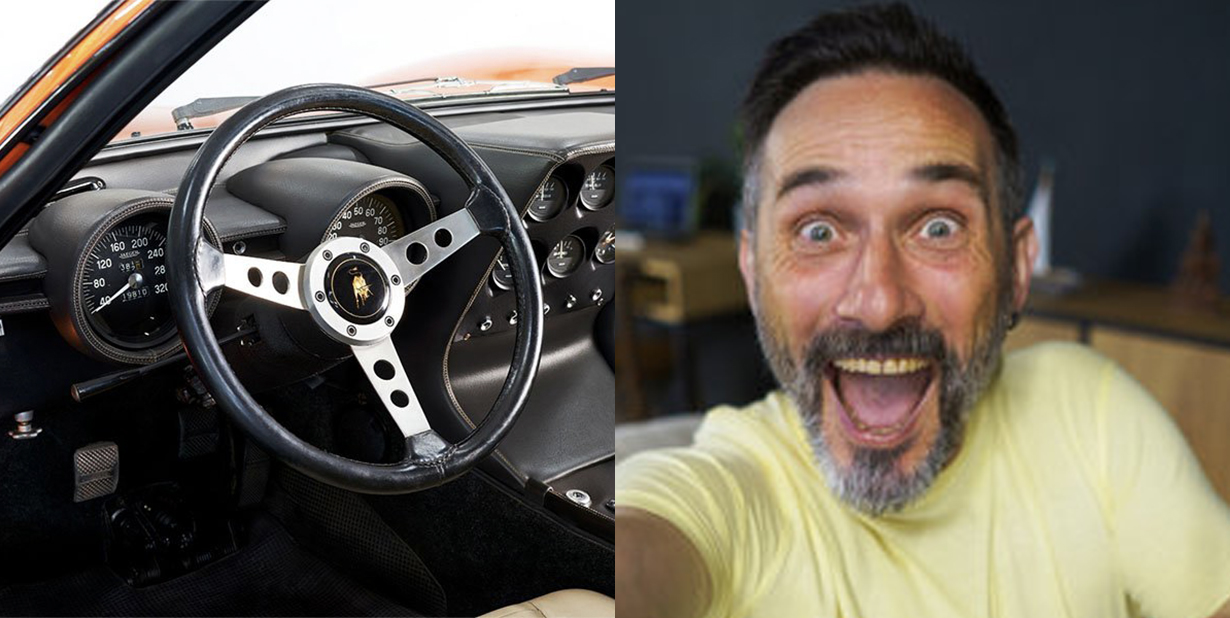
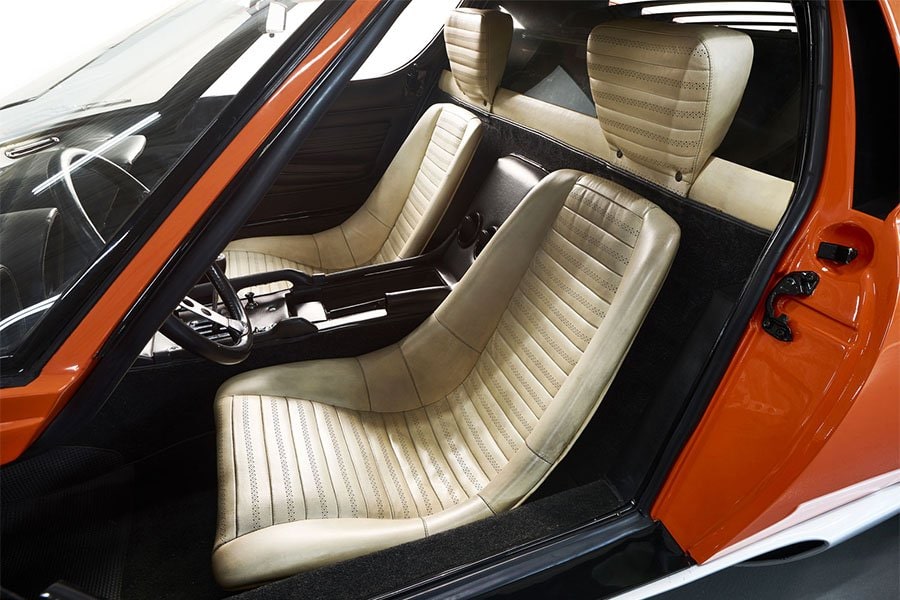
Slide inside the cabin, and you're met with a mixture of luxury and sportiness.
The attention to detail is impeccable, and the feel of the switches and levers will take you on a nostalgic trip.
And oh, the smell of the leather— it's like stepping into an Italian artisan's workshop. It's a unique experience, unlike anything modern supercars offer.
Driving Experience
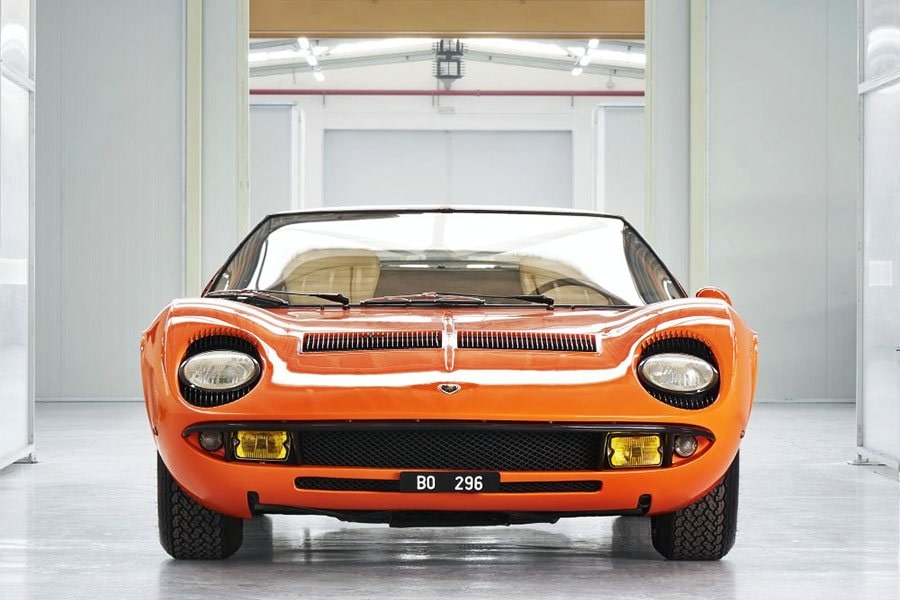
Driving the Miura is as thrilling as you'd expect.
Despite its age, it handles remarkably well, hugging the corners as if it's afraid to let go.
The acceleration might not match today's hypercars, but the sheer rawness and visceral feel of driving it more than make up for it.
There's no electronic gadgetry here—just you, the car, and the open road.
Challenges
The Miura, although almost perfect, does present certain quirks.
The engine's location contributes to a rather warm cabin, and the design does slightly compromise visibility.
However, these factors often fade into oblivion when weighed against the holistic appeal and immersive driving experience that this iconic vehicle offers.
Final Thoughts
All in all, the 1967 Lamborghini Miura P400 is more than a car. It's a piece of automotive history, a testament to the vision and innovation of the era.
Owning one is like owning a piece of the moon. It's not about practicality, it's about the experience—a symbol of a time when the joy of driving was all that mattered.
And let's be real, who wouldn't want to be a part of that?