Should You Lease Or Finance Your Next Car?

In the world of car ownership, two primary roads await: leasing and financing. These options provide distinct routes to having a new car in your driveway, each with its own set of perks and pitfalls. Let's dive into the pros and cons of leasing and financing to help you decide which path aligns best with your driving dreams.
Monthly Costs

Leasing: When you lease a car, you essentially rent it for a predetermined period, usually a few years. As a result, your monthly payments are generally lower than when you finance, making it an attractive option for those looking to keep their budget in check. However, it's essential to note that while the monthly payments are lower, leasing doesn't build equity in the vehicle, so you won't have ownership at the end of the lease.
Financing: Financing involves taking out a loan to purchase the vehicle. Monthly payments are often higher than leasing because you're paying off the car's full value. This higher monthly cost is an investment in ownership, building equity in the vehicle over time. Once you've paid off the loan, you'll have a car you can drive without monthly payments.
Ownership

Leasing: You don't own the car when you lease; it belongs to the leasing company. This means you can't modify it extensively, and you'll have mileage limits. However, when the lease term ends, you can choose to buy the car, typically at a predetermined residual value. Ownership during the lease term is limited, and you're responsible for keeping the vehicle in good condition to avoid additional charges.
Financing: When you finance, you're the car's owner from day one. This means you have full control over the vehicle, including the ability to personalize it to your heart's content. There are no mileage restrictions, allowing you the freedom to drive as much as you want without penalties. Plus, you can sell or trade the car whenever you please, as it's your asset.
Depreciation

Leasing: With leasing, you're only responsible for the car's depreciation during the lease term. Since you don't own the vehicle, you won't face the full extent of the vehicle's value loss. This can result in lower overall costs compared to financing if you're consistently driving newer cars.
Financing: As the owner, you bear the brunt of the car's depreciation. While this can lead to higher overall costs over time, it's an investment if you plan to keep the vehicle long-term. If the car's value holds well, you might find that your asset retains value better than expected.
Upfront Costs

Leasing: Leases usually involve lower down payments or even no down payment, making it easier to get into a new car without a hefty initial expense. This is an advantage for individuals who prefer to keep their cash flow more accessible.
Financing: Financing often requires a more substantial down payment, which can be a barrier for some buyers. However, this initial investment results in higher equity in the vehicle from the start. It also means you might need to save up more before getting the keys.
Mileage Restrictions
Leasing: Lease agreements typically have mileage limits (e.g., 10,000 or 12,000 miles per year). Exceeding these limits can result in additional fees, making it crucial to accurately assess your driving habits before committing to a lease.
Financing: You can drive as many miles as you want when you own the car, which is great for frequent travelers and individuals who enjoy long road trips without worrying about mileage charges.
Customization

Leasing: Since you don't own the car when you lease, making significant modifications or alterations is usually discouraged. You must return the vehicle in its original condition, which limits your ability to personalize it extensively.
Financing: When you finance, you're free to personalize your car as you see fit. Whether it's upgrading the stereo, adding custom wheels, or painting it your favorite color, the vehicle is yours to modify and enhance.
Long-Term Costs

Leasing: Over time, leasing several cars can add up, as you'll always have a monthly payment. It's often seen as a short-term solution for those who prefer to drive a new vehicle every few years.
Financing: Once you pay off the loan, your monthly expenses drop significantly, making financing more cost-effective in the long run. If you plan to keep the car for an extended period, financing often leads to lower overall expenses.
Ownership Duration

Leasing: Leasing is ideal for those who enjoy driving a new car every few years and aren't interested in long-term ownership. It offers variety and the latest technology with each new lease.
Financing: Financing is best for individuals who plan to keep their vehicle for many years and want to build equity. If you're attached to a particular car or prefer long-term ownership, financing provides that stability.
End-of-Term Choices

Leasing: At the end of the lease, you can return the car and lease a new one, buy the car at its predetermined residual value, or walk away. This flexibility allows you to decide if you want to continue with the same model or explore other options.
Financing: When you finish the loan payments, the car is yours to keep, trade, or sell as you please. You have full control over its future, and there are no restrictions on what you can do with the vehicle.
Credit Considerations
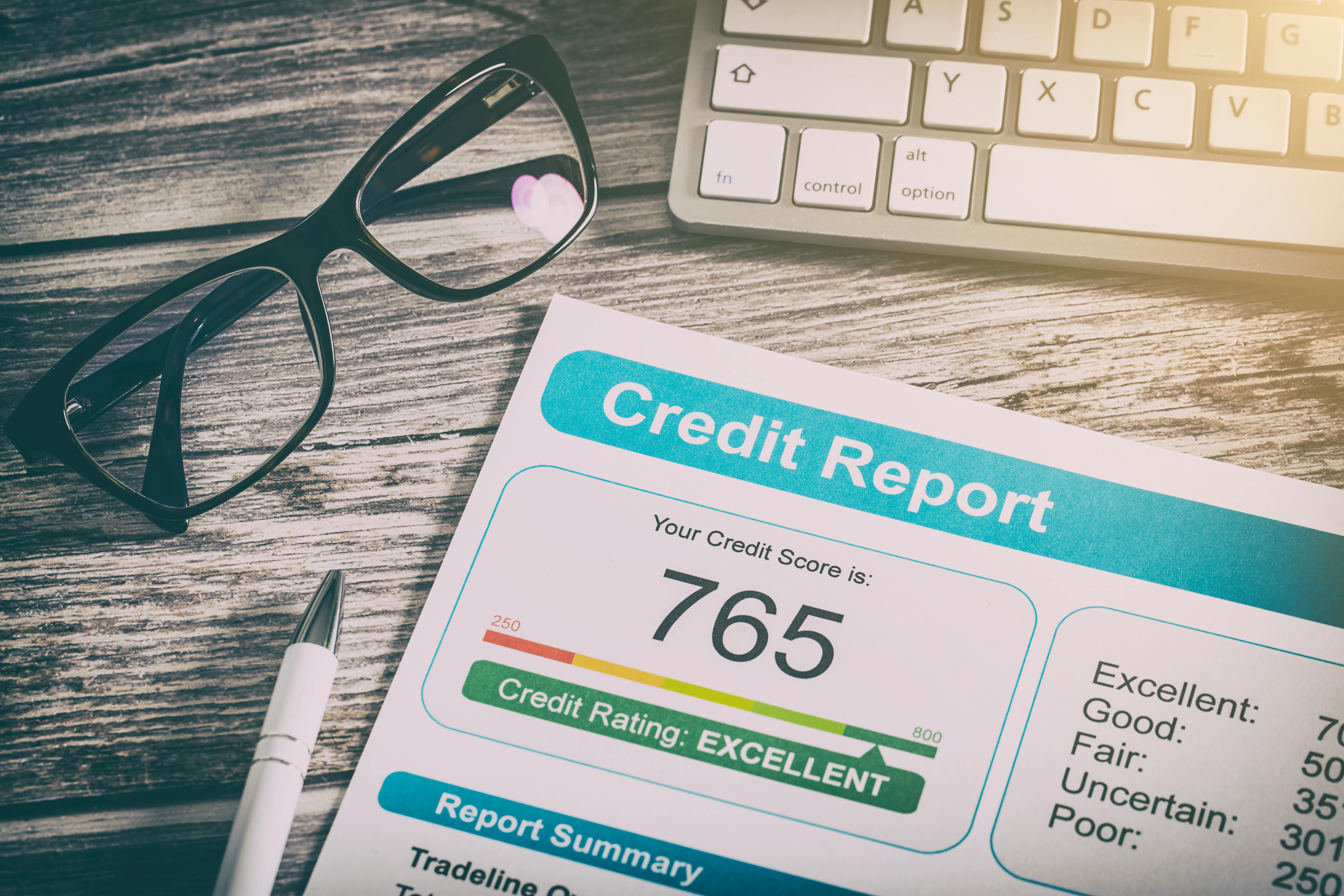
Leasing: Leasing typically requires a better credit score than financing because leasing companies prefer lower risks. If you have excellent credit, leasing can offer attractive terms and lower interest rates.
Financing: Financing can be more accessible for individuals with varying credit histories, including those with lower credit scores. Lenders may be more lenient when it comes to financing, allowing a broader range of consumers to secure a car loan.
Final Thoughts

In the leasing vs. financing showdown, neither option is inherently superior. Your decision depends on your unique circumstances and preferences. Consider your budget, driving habits, and long-term goals to determine which path suits you best. Whether you opt for the flexibility of leasing or the ownership benefits of financing, the road to your dream car is wide open.