The Real Cost Behind the Wheel
As an upper-middle-class family, you'd think you're ready to spend some money on an expensive ride. But owning a luxury car could be riskier than a tightrope walk in Louboutins. Here's why.
Expensive Maintenance
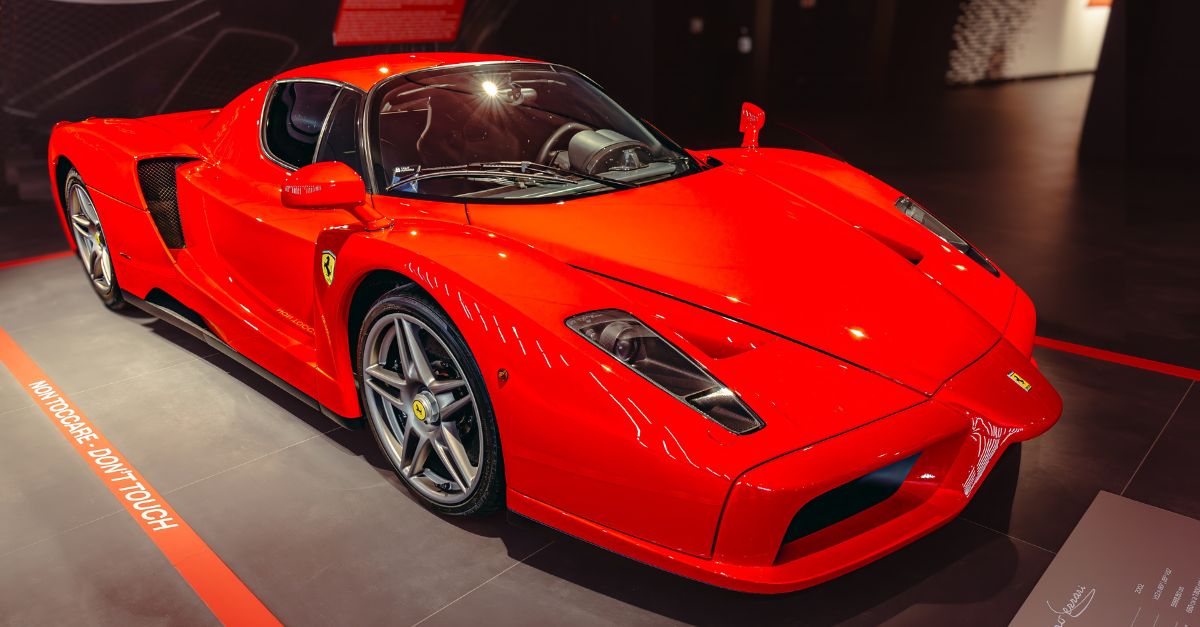
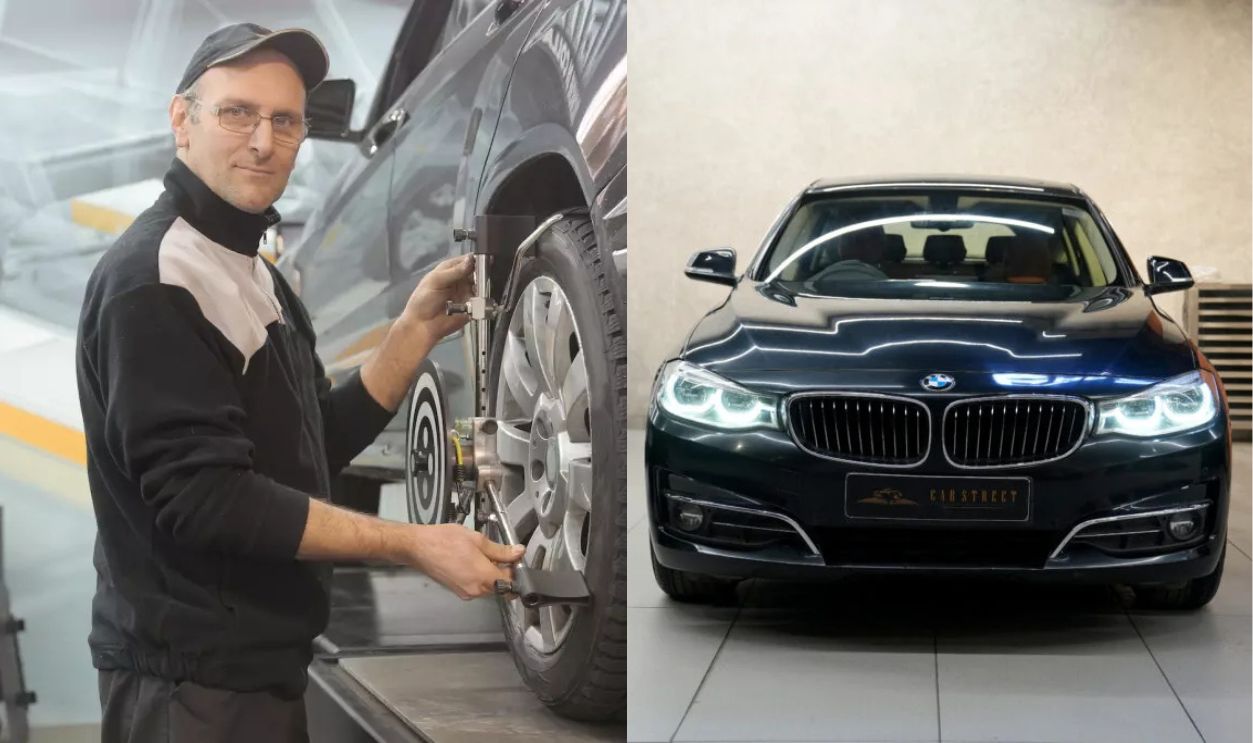
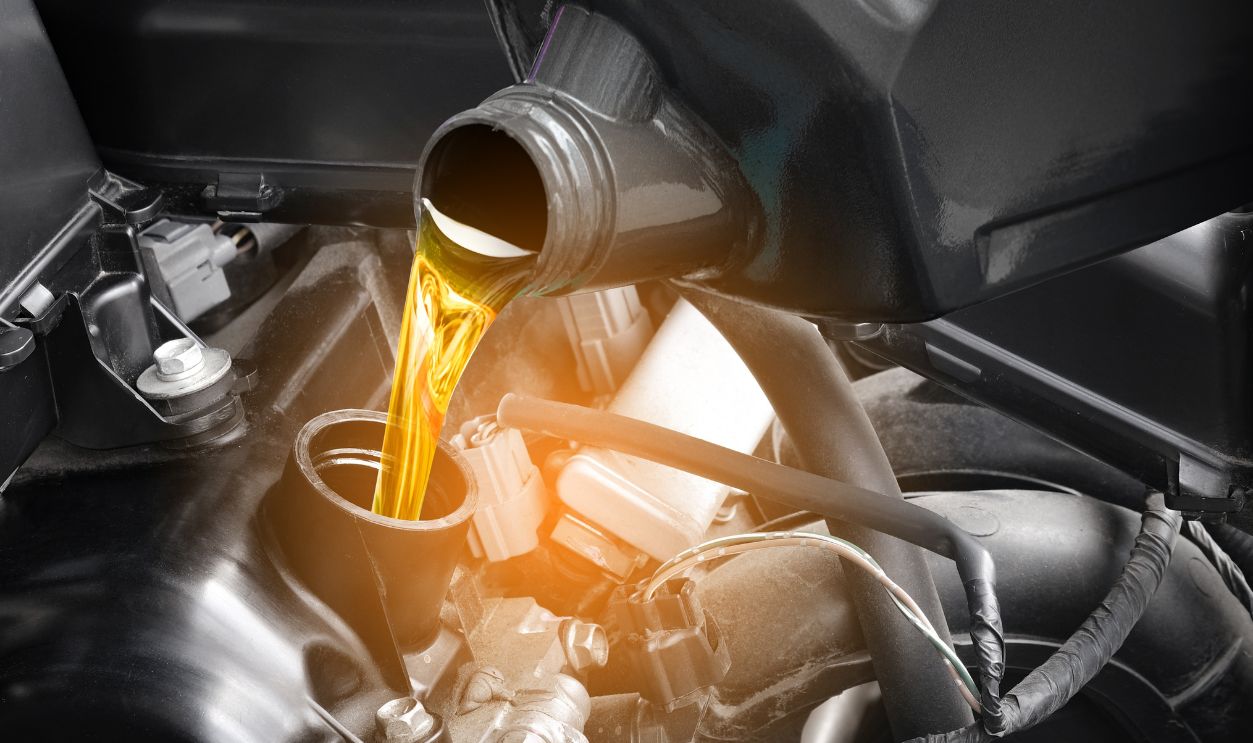
Simple things like changing fluids and checking the engine on a Ferrari can cost up to $9,000, while replacing tires on a Lamborghini can cost around $5,000. Even small repairs can be very costly, but many people who own these cars don't always think about that.
Expensive Car Insurance
Insuring expensive cars can cost a lot. For example, the Maserati Quattroporte costs about $419 every month to insure, which is 239% more than regular cars. On top of car payments, insurance for luxury cars can add up to thousands each year. Where you live can make it even higher.

Insurance Fraud Risks
Cars that cost a lot often attract thieves looking to sell them or steal their parts. Because of this, insurance prices go up. Owners need to be careful about keeping these cars safe, as avoiding theft or fraud is very important for insurance risks.

The Unseen Drop in Car Value
Most cars lose around 20% of their value in the first year and about 60% after five years. Things like the car's age, miles driven, and accidents can lower its price. Even changes in fuel prices can make a big difference.

Resale Market Struggles
Selling can be fun and help you make money, but it can also have surprises. Many sellers find it hard to set the right price. To get the best deal, check how old your car is, how many miles it has been driven, and how good it looks.
 SORASIT SRIKHAM-ON, Shutterstock
Investment Fallacy
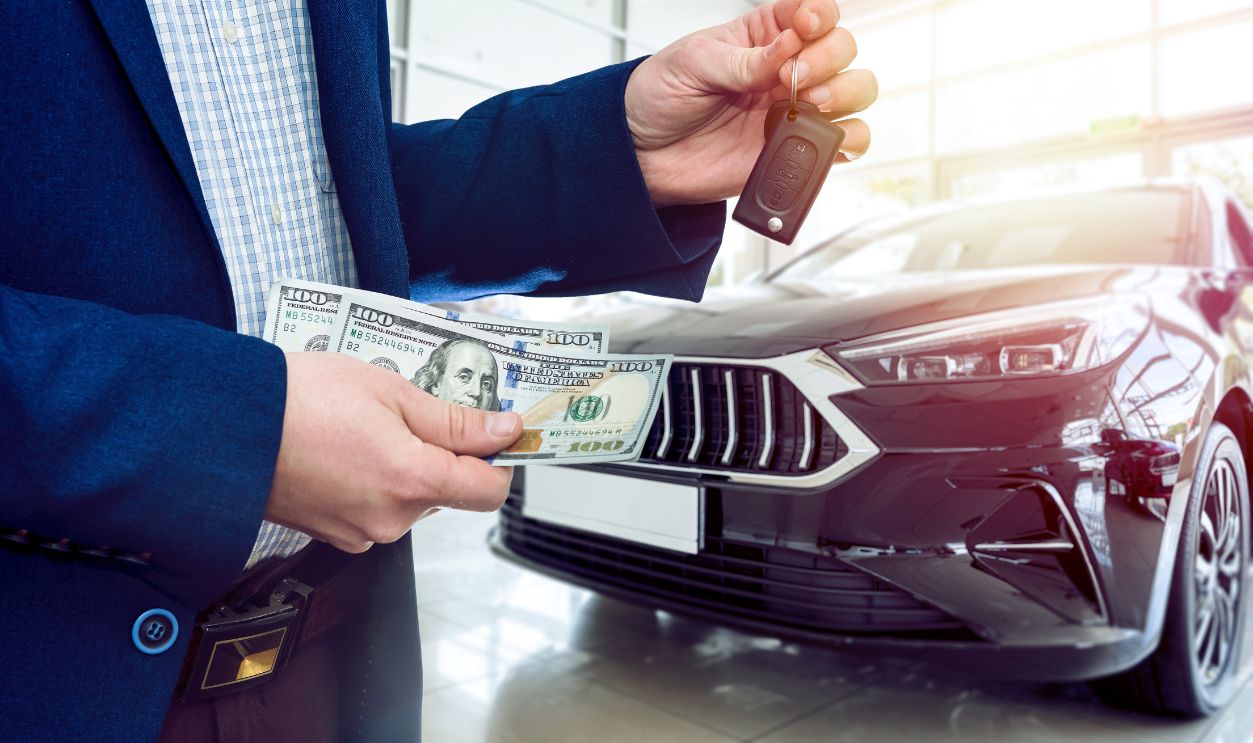
The BMW 7 Series lost 61.8% of its value in five years, which is about $72,444. While some luxury cars might go up in value, most lose value quickly, making them not as good an investment as many think.
Climate Impact of the Rolls-Royce Phantom
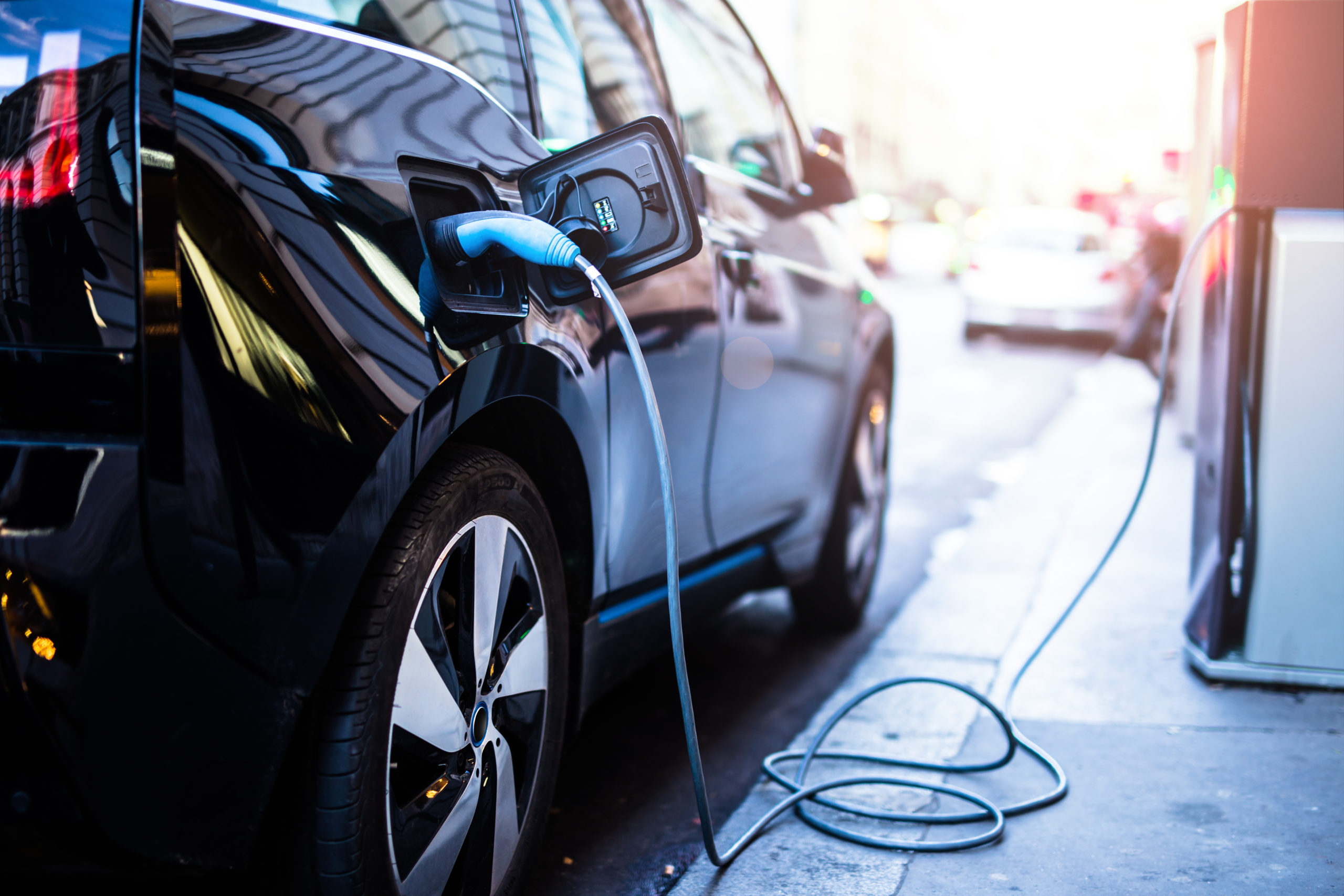
Expensive cars like the Rolls-Royce Phantom use a lot of fuel, which produces a lot of carbon emissions. They give off between 345 and 362 grams of CO₂ for each kilometer driven, while a regular car only puts out about 120 grams. Even though they look nice, these luxury cars hurt the environment a lot.
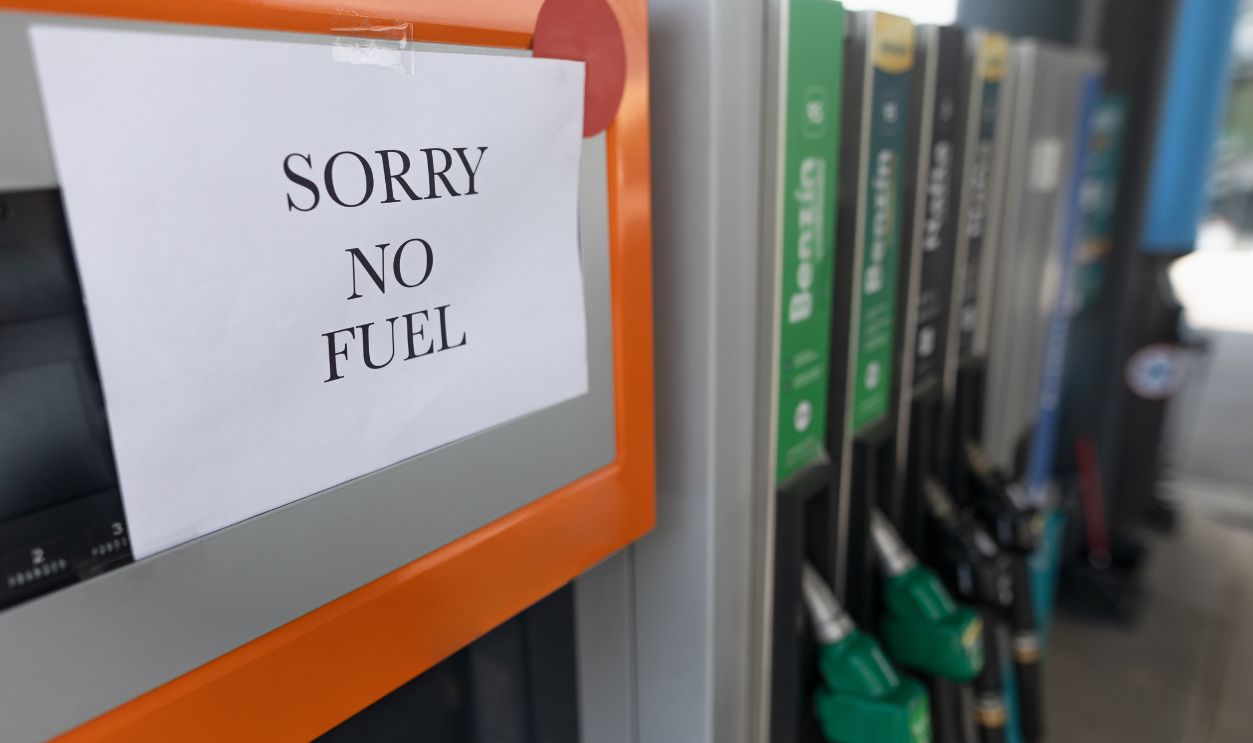
Fuel Costs
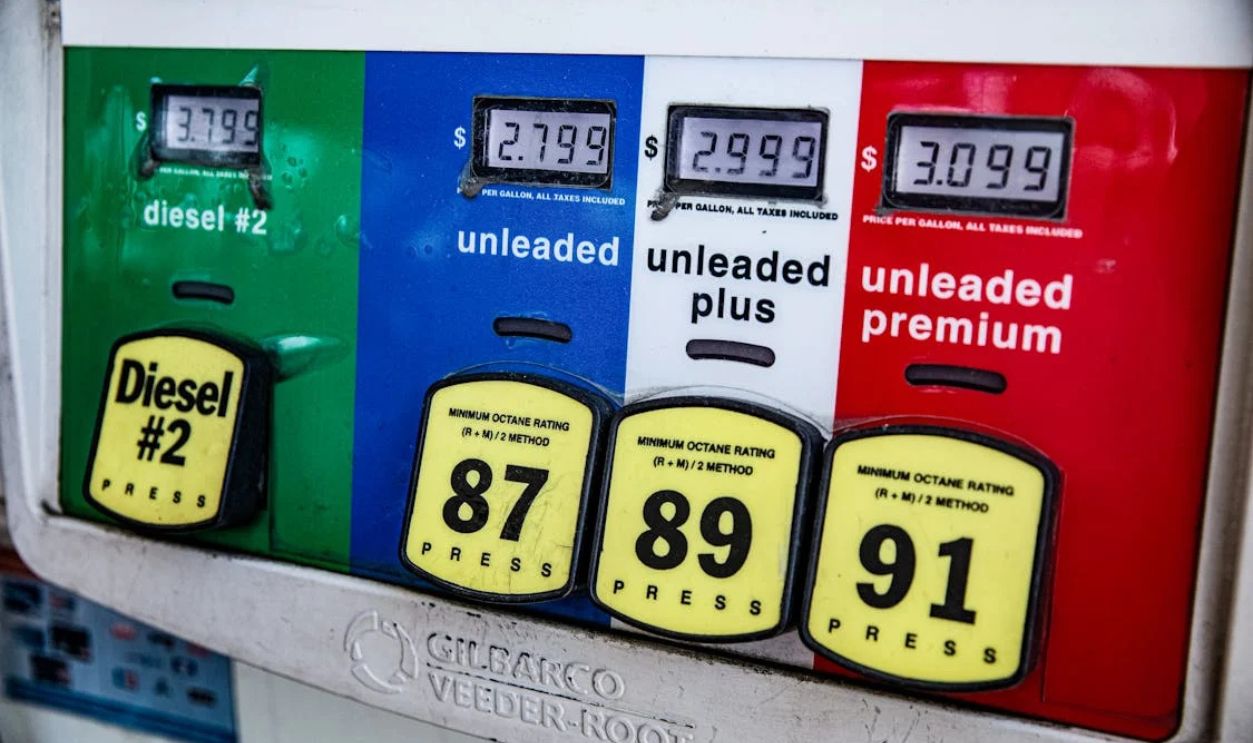
These cars have big engines, so they use a lot of fuel. The Bugatti Chiron gets only 9 miles per gallon, while an average car gets about 25-30 mpg. This means some luxury cars can cost over $7,000 a year in gas. Guess they have that kind of money lying around their penthouse.
Technological Obsolescence
What seems cool today can feel old really fast. Those shiny screens and fancy self-driving options might need expensive updates in just a few years. It's like buying a new phone every couple of years: fun at first, but soon, you're asking why it seems so out of style.

Road Taxes
Road tax is a fee for petrol and diesel cars on UK roads. You pay more if your car makes a lot of CO₂. Cars are grouped into classes: Class A for eco-friendly cars and Class M for big, luxury cars that pollute more. If your car costs over £40,000, you will pay an extra £390 each year for the first five years.

Environmental Regulations
Countries are implementing stricter rules on car pollution, and this could mean fines or driving limits for owners of expensive cars. In 2023, the EU agreed that by 2035, all new cars must stop using gas or diesel. Changing these kinds of vehicles to meet the new rules can be costly.
Parking Challenges
It can be hard to find a place to park, especially in cities. Owners often spend more on valet and parking because their cars need extra care. Extra parking options for fancy cars in apartments or houses also add to the costs.
Social Responsibility Pressure
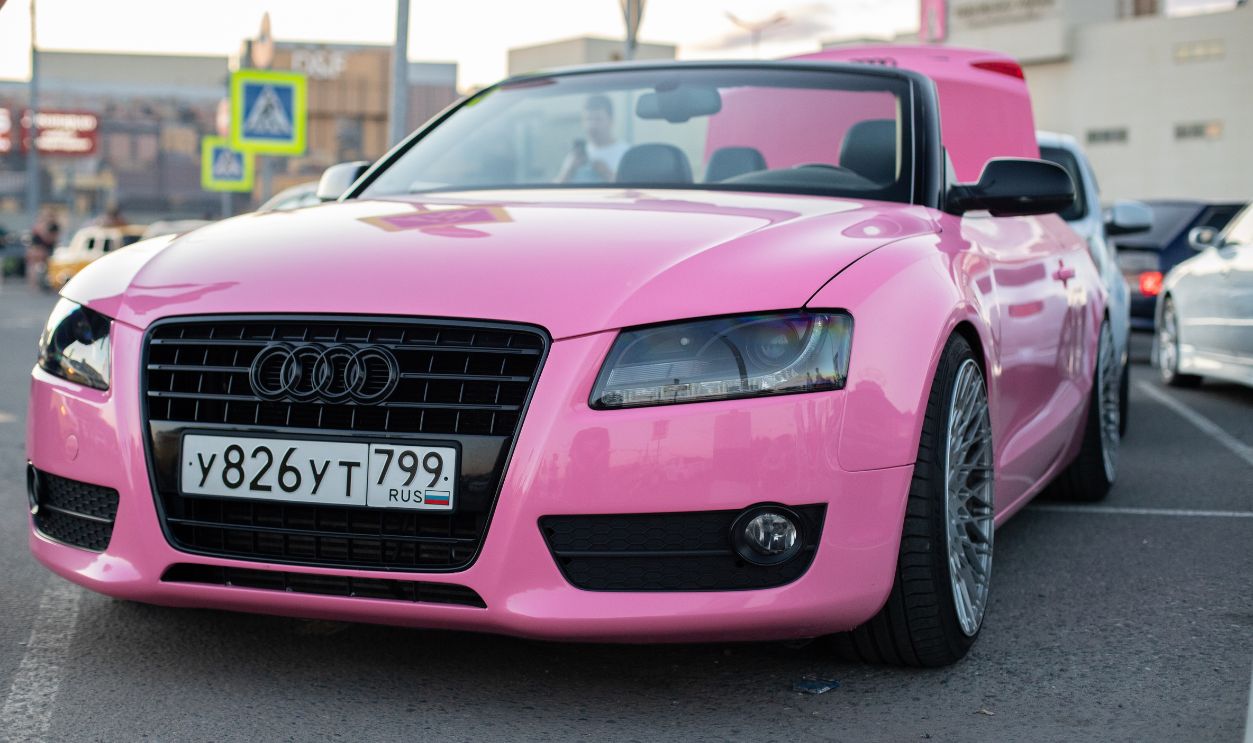
As people learn more about wealth gaps and climate change, owners of expensive cars often get criticized. Driving cars like Rolls-Royce or Bentley can seem wasteful, especially now when many are focusing on being more responsible and eco-friendly.

Investment vs. ESG
Owning expensive cars can clash with Environmental, Social, and Governance (ESG) principles. ESG is all about making choices that are good for the planet and society. But, when wealthy people invest in eco-friendly projects and still own cars that use a lot of fuel, it creates a conflict.

Public Image Risk
Owning fancy cars can affect how others think of you. Rich people often avoid driving showy cars to seem simple. These costly cars don't just show money; they can make people feel like they don't care about waste or bigger social issues.

EV Revolution
Tesla is leading, while older car brands like Rolls-Royce and Bentley are struggling to switch to electric. They're trying to catch up but are falling behind. If they don't move fast, they might lose their place in the market.

Complex Customization Costs
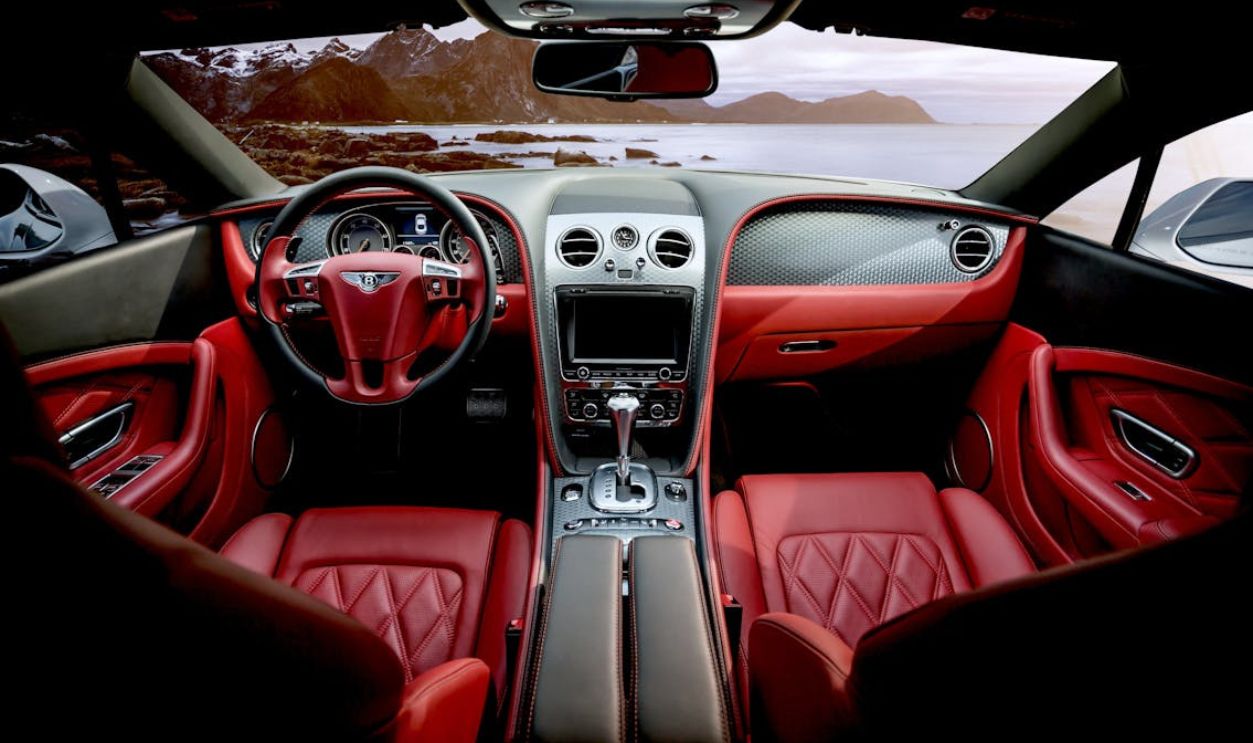
Special paint, rare materials, and unique interiors make cars more expensive, but they don't always help when you want to sell. Cars with too many personal changes can be harder to sell, giving owners fewer options and often costing them money in the end.
Increased Stress
Owners often worry about parking in safe spots, keeping the car from getting scratched or dented, and shielding it from bad weather. Keeping the car in good shape takes a lot of time, energy, and money.

Is It Worth It?
There's more to think about than just the excitement. Behind the shiny look, owning one has problems that are often overlooked. While they can show success, the true costs can make it tough to own.