How to Actually Use Your Vehicle's Hazard Lights

Hazard lights, those blinking amber wonders that sit on our dashboards, can be a bit of a mystery. When do you use them? Do they serve any real purpose other than looking cool during a thunderstorm?
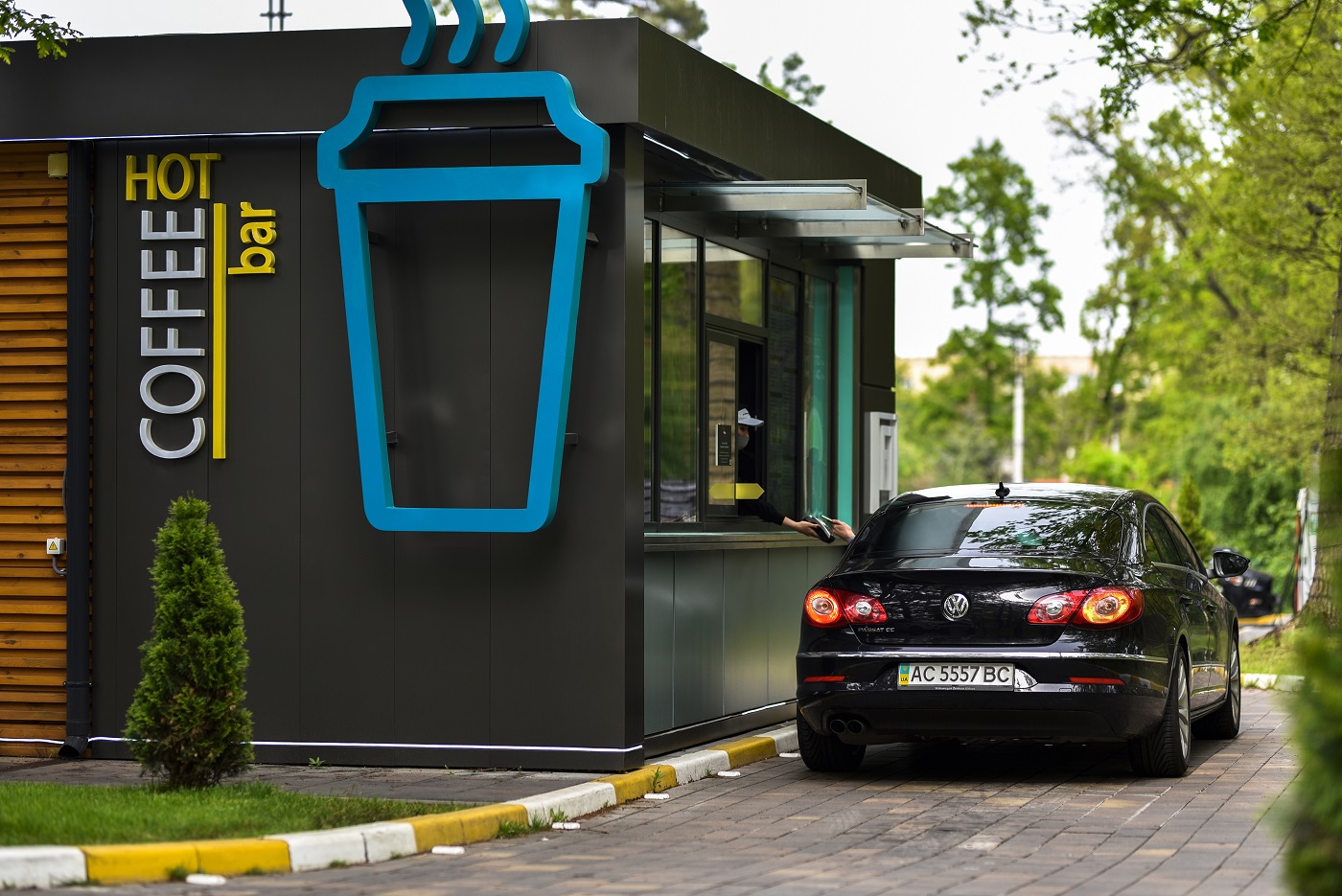
Let's face it – hazard lights often get the wrong treatment. You've probably seen them used during everything from stopping for coffee to grabbing a quick bite at the drive-thru.
In reality, though, hazard lights serve a more specific and safety-oriented purpose.
In this article, we're here to shed some light on when and why you should appropriately use your vehicle's hazard lights. And spoiler alert: it's not just for emergency situations or flashy Instagram stories!
When You Should NOT Use Your Hazard Lights
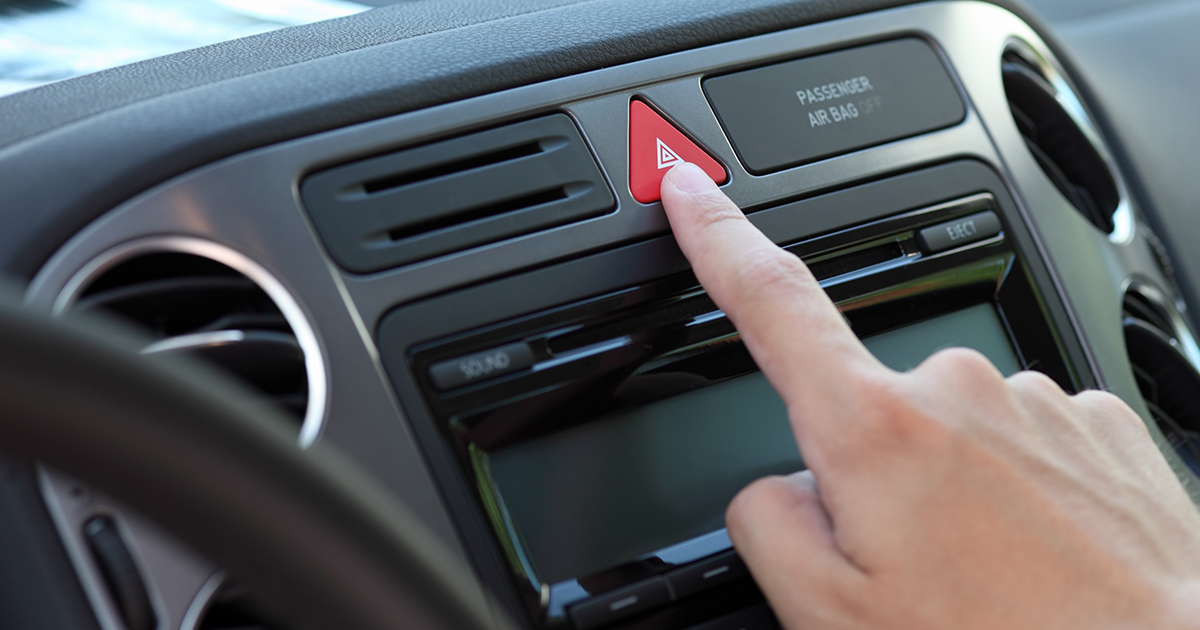
Hazard lights, while useful in certain situations, should not be used inappropriately to avoid confusion and ensure road safety.
Firstly, refrain from using hazard lights while your vehicle is in motion unless you are part of a funeral procession where it is customary. Using hazard lights while driving can create uncertainty among other drivers and pose a safety hazard.
Additionally, avoid activating hazard lights during normal weather conditions such as rain or fog, as they can reduce the visibility of your brake lights and turn signals. When legally parked, in no-parking zones, or in slow-moving traffic, it's unnecessary to use hazard lights.
Likewise, on the highway shoulder during a break or phone call, hazard lights are typically not required. Avoid using them at night, especially on well-lit roads, as they may impair the visibility of your essential signals. When visibility is good and when passing other vehicles, use turn signals as intended, and do not substitute hazard lights for their proper function.
Using hazard lights should be reserved for specific situations that genuinely warrant their use to signal potential hazards or emergencies, while avoiding their misuse in everyday driving scenarios.
Now, let's explore the RIGHT times to use your vehicle's hazard lights.
Emergency Stops
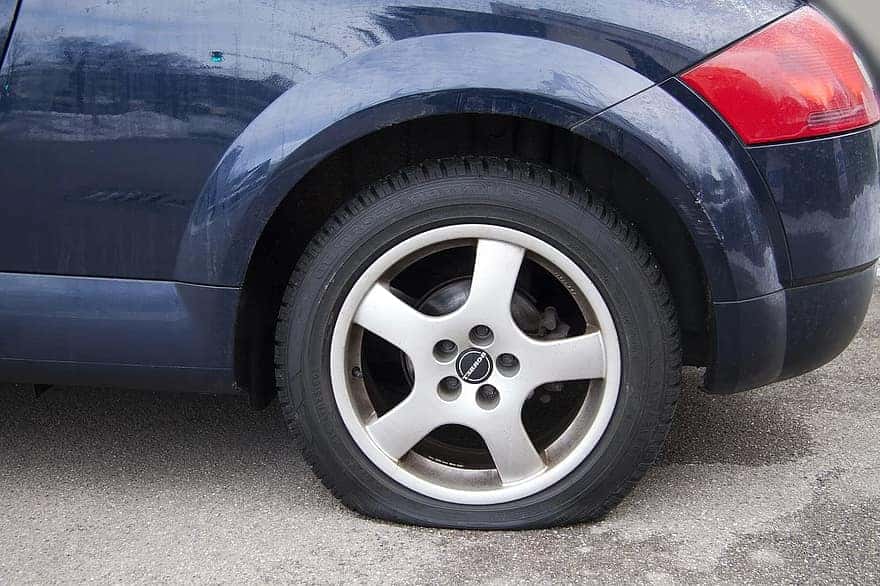
Hazard lights are your best friends when you need to make an unplanned stop on the road, be it due to a flat tire, engine trouble, or any other sudden issue.
They alert other drivers to your situation, reducing the risk of a collision and providing a clear signal that you're not in motion.
Slow-Moving or Oversized Loads
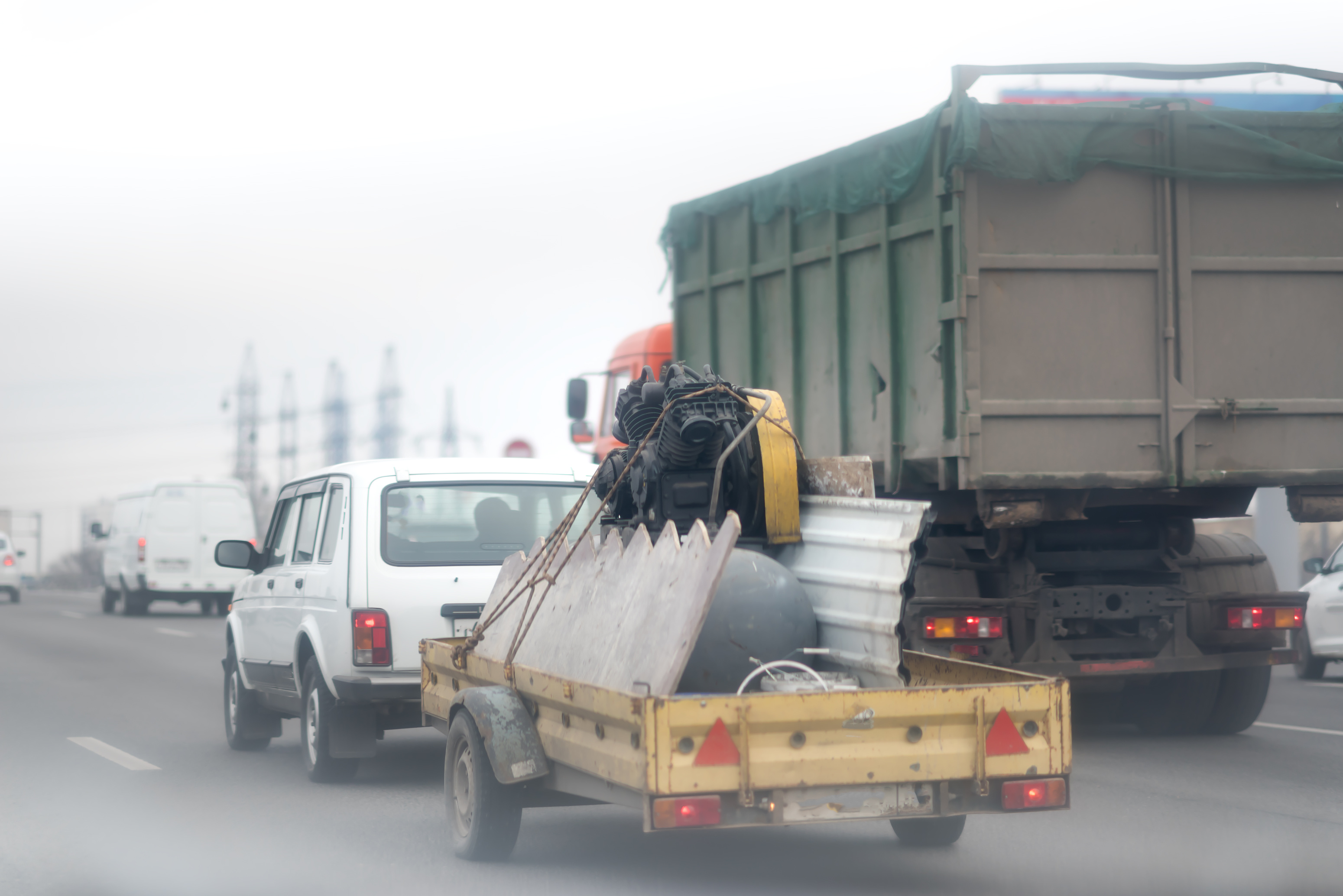
If you're driving a slower-moving vehicle, like a tractor or a truck carrying an oversized load, using hazard lights can signal to other drivers that they should be cautious when passing.
This added visibility can prevent accidents, especially on highways.
Funeral Processions
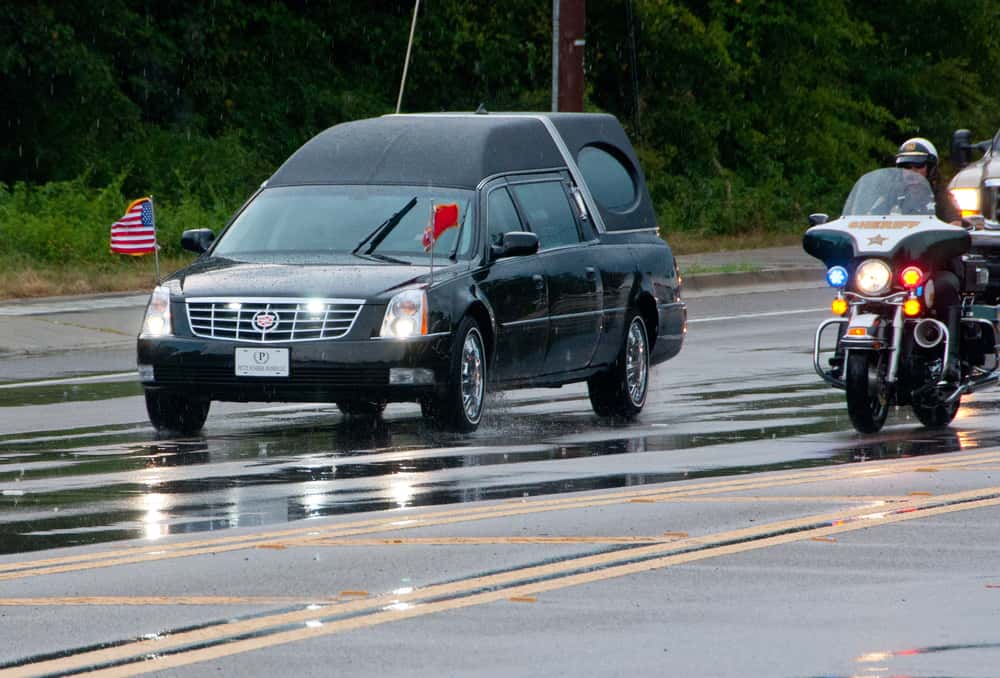
When you're part of a funeral procession, it's common practice to have all vehicles turn on their hazard lights to signal that they're part of the procession. It's a sign of respect for those who have passed and helps maintain order on the road.
Inclement Weather
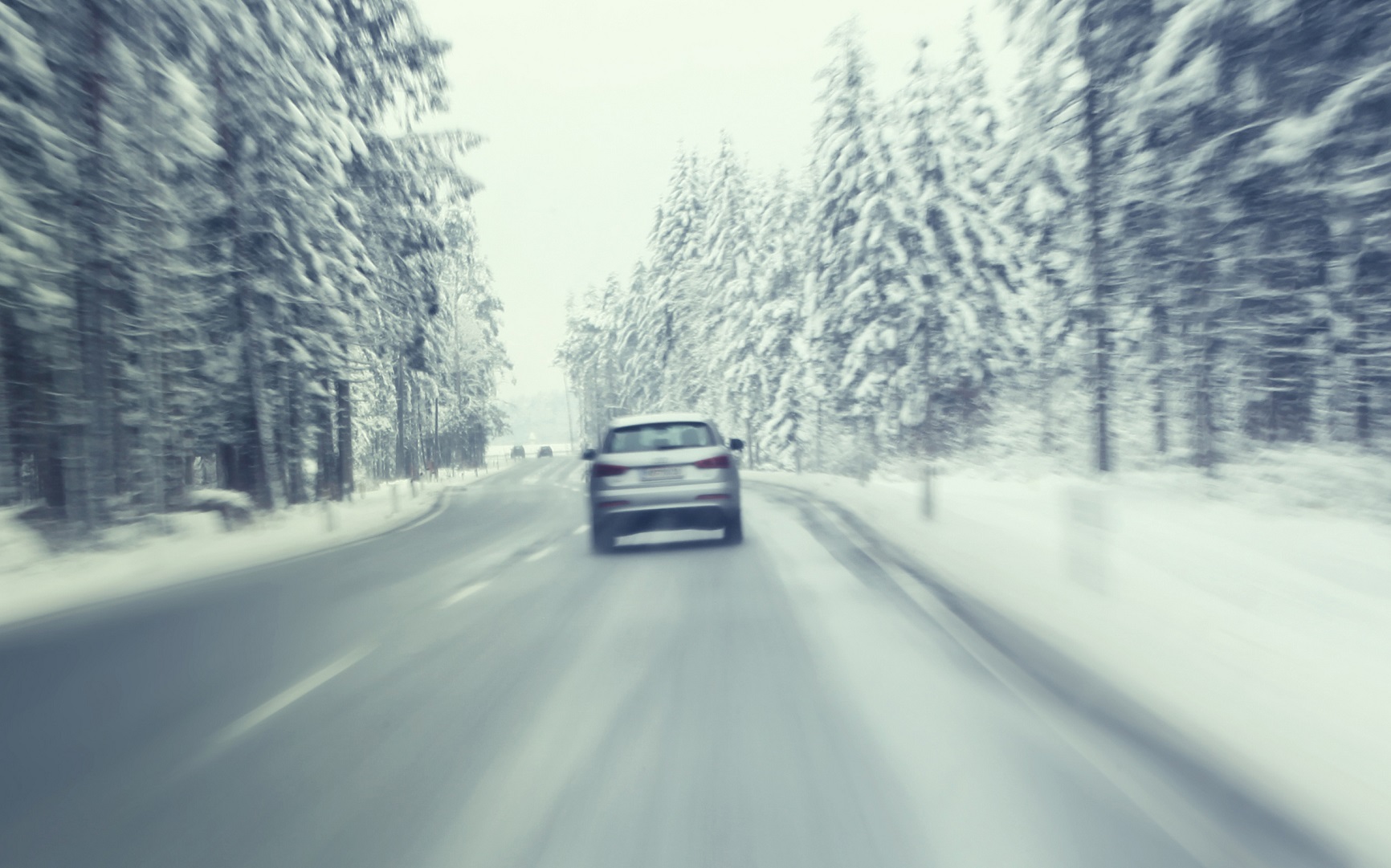
In heavy rain, fog, snow, or other low-visibility conditions, turning on your hazard lights can make you more visible to others on the road. It's like your car's way of saying, "Hey, slow down and be cautious!"
Towed or Disabled Vehicles
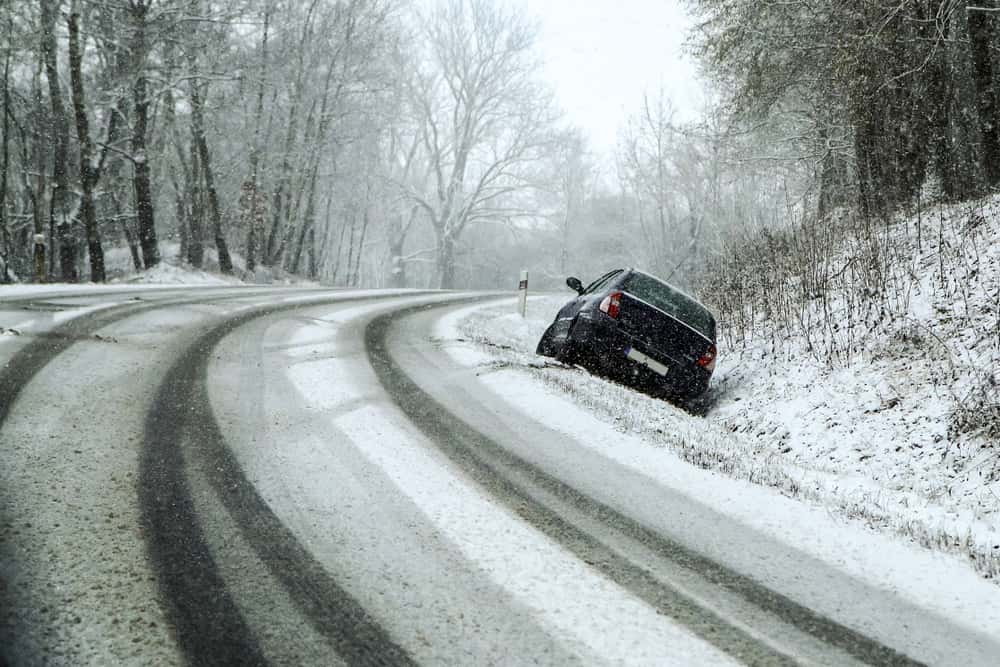
If your vehicle is being towed or has broken down and is blocking traffic, hazard lights are a must. They alert drivers that something unusual is happening ahead and prompt them to take precautions.
Roadside Emergencies
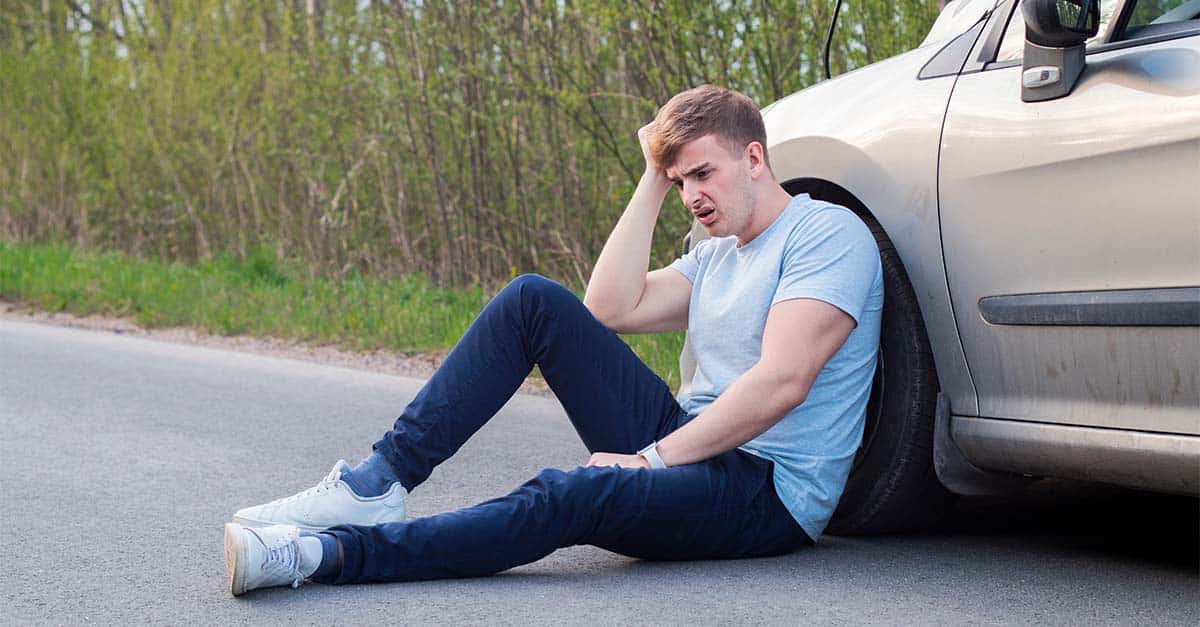
Whether you're changing a tire or helping someone else, hazard lights make your vehicle and the area around it more visible. They help ensure everyone's safety while you're working on the roadside.
Stopped in a Lane
If you have no choice but to stop in a traffic lane (which is generally not recommended unless it's an emergency), activate your hazard lights to let others know you're not moving.
Tunnels and Bridges
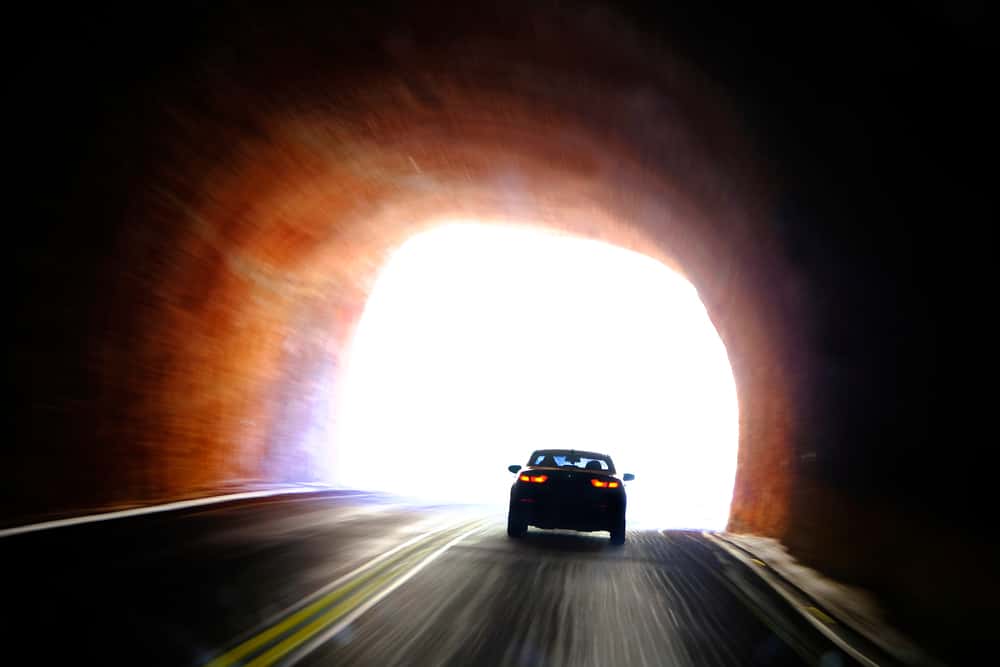
In some areas, it's the law to use hazard lights when driving through tunnels or across bridges. This enhances visibility and ensures that other drivers can see you clearly in these potentially hazardous locations.
Warning of Slow Traffic
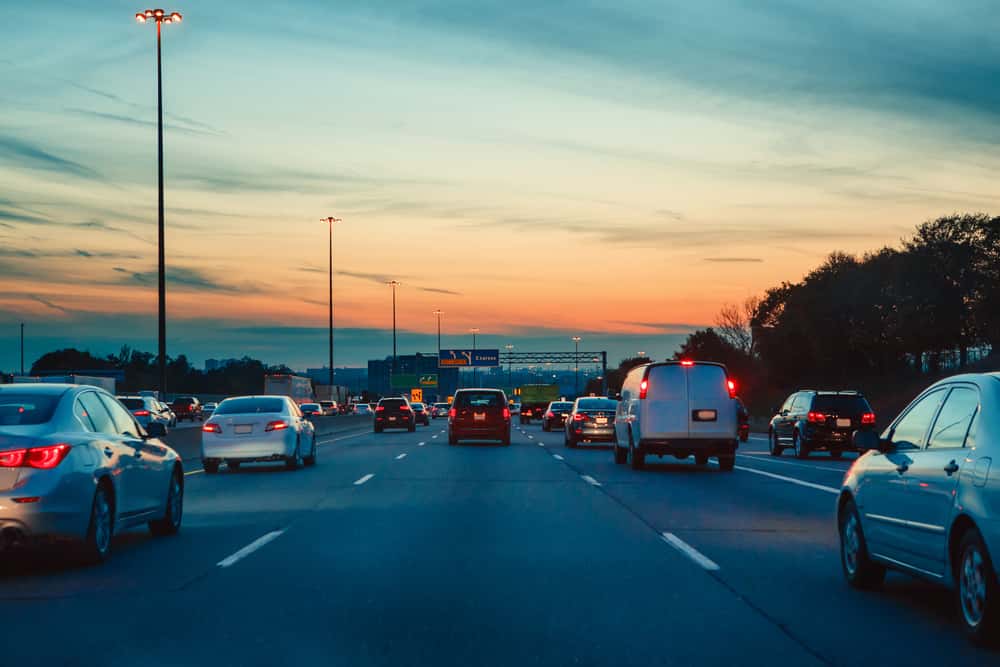
In situations where traffic is moving considerably slower than the posted speed limit, such as during a traffic jam or heavy congestion, using hazard lights can alert drivers behind you to the slow-moving traffic and help prevent rear-end collisions.
Final Thoughts

So, the next time you reach for that hazard light button, remember that it's not just for making your car look cool during a thunderstorm or when you're running late for a meeting.
It's a safety tool that can protect you, your passengers, and other drivers on the road. Use it wisely, and let those amber blinkers do their job—keeping you safe and seen.